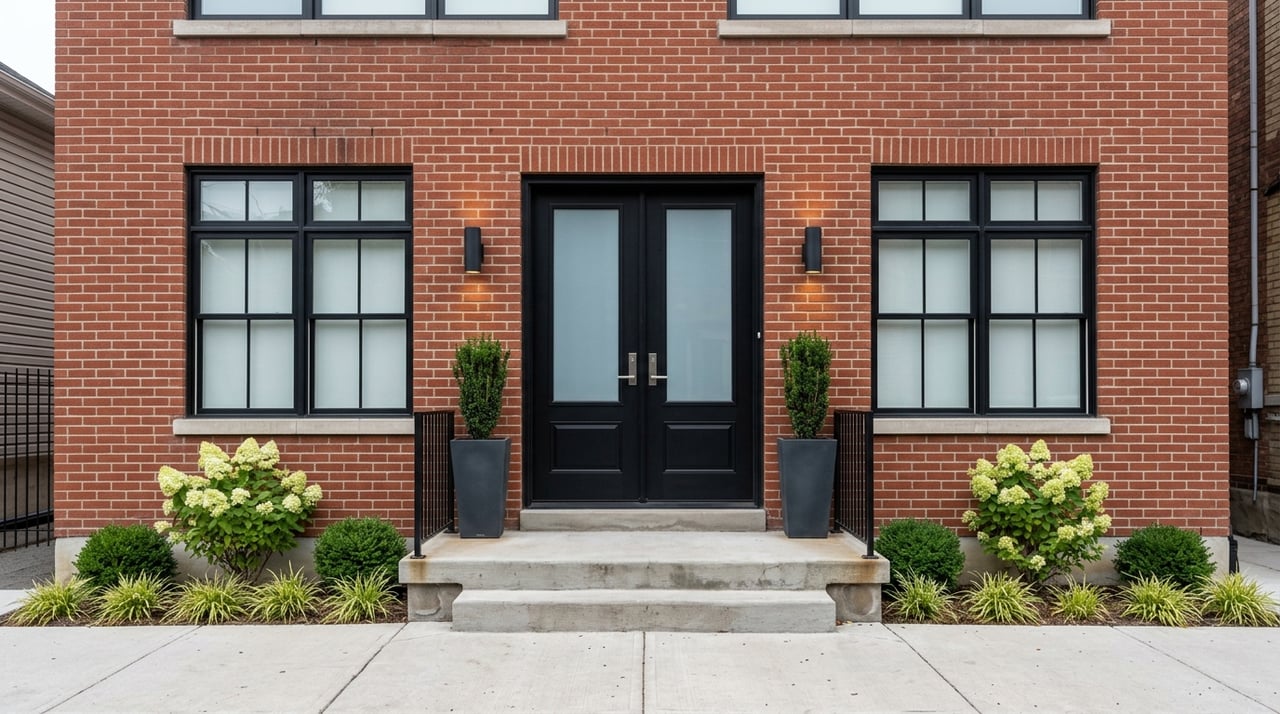
Jersey City Multifamily Renovation Guide for Profitable Resale
Thinking about renovating a Jersey City multifamily for resale? The biggest profit mistakes usually happen before the first tile, cabinet, or light fixture gets ordered. If you want to protect your budget, avoid delays, and position the property well for resale, you need a plan rooted in permits, local rules, and realistic neighborhood comps. Let’s dive in.
Before you think about finishes, start with zoning. Jersey City states that a Zoning Review Application is the first step for rehabilitation and other work that requires a building permit or Historic Preservation approval. The city also notes that a Zoning Determination Letter can help clarify use, legal-nonconforming status, financing, and insurance questions.
For a resale project, that matters because your scope should follow what is permitted on the site. A layout idea that looks great on paper may not be practical if zoning, use rules, or site conditions create limits.
Historic status can affect both timing and cost. If the property is a landmark or located in a historic district, Jersey City requires a Certificate of No Effect or Certificate of Appropriateness before work begins, even in cases where a construction permit may not otherwise be needed.
The city also states that additions, demolition, and work that does not align with preservation standards are more likely to require full Historic Preservation Commission review. If you skip this step early, you can end up redesigning your plan after you have already budgeted the job.
Flood exposure is another issue that can shape your renovation strategy. Jersey City’s Flood Overlay applies to properties in FEMA VE and AE zones and adds resilient design requirements, according to the city’s land development materials.
The city also flags waterfront approvals for projects within 500 feet of the Hudson River and requires measures to protect adjoining properties when work could affect neighboring buildings. In practical terms, site constraints can influence everything from scope and timeline to contingency planning.
In Jersey City, renovations do not begin with materials. They begin with process. The city says all new construction, additions, and renovations must go through zoning first, and its online portal and review system handles permit, zoning, historic-preservation, and housing-preservation applications.
However, Jersey City also notes that plans and plumbing or electrical tech cards still need in-person submission to Construction Code. That means your team should understand not only what must be filed, but also how each item gets submitted.
Plan review is not immediate. Jersey City states that plan review can take up to 20 business days, and no permit is issued until all required state, county, and local approvals are in place.
If you are underwriting a flip or resale renovation, that timeline should be part of your carrying-cost math. Holding costs can grow quickly when a project schedule depends on approvals you did not fully map at the start.
A major renovation may trigger a new certificate of occupancy. Jersey City says a new CO may be required after new construction or a major renovation, and state code says renovated or altered buildings cannot be occupied until required approval is issued.
At the same time, the city notes that a CO is not required simply because a property is being sold if a CO already exists for the current use. This distinction matters because buyers, lenders, and attorneys often want a clean understanding of occupancy status before closing.
Multifamily work usually requires properly prepared plans. Jersey City says sealed plans are required in many cases, and its self-drawn plan exception is limited to detached single-family private residences. That means this exception generally does not apply to a multifamily rehab.
The city also states that a JC Contractor license is required for non-state licensed contractors and work done on commercial property, while New Jersey requires home improvement contractors to register and display an NJHIC number. Using properly registered professionals helps reduce permit and compliance issues later in the project.
Not every renovation dollar has the same impact. New Jersey distinguishes between renovation, alteration, and reconstruction in its construction code categories, and those definitions can affect permits, occupancy, and scope.
Renovation generally refers to like-for-like replacement of finishes or fixtures without changing the space configuration. Alteration covers items such as walls, doors, windows, and system rearrangement. Reconstruction refers to work that cannot be occupied while underway and requires a new CO before reoccupancy.
For many resale projects, the safer budget is the one that improves condition, presentation, and reliability without redrawing the floor plan. That often means focusing on visible, durable upgrades and cleaner common-space presentation rather than rushing into structural layout changes.
A practical shortlist may include:
By contrast, new openings, additions, roof changes, or rear-yard work should wait until your permit path is fully clear. The more complex the change, the more likely it is to affect schedule, approvals, and resale timing.
Jersey City’s ordinary-maintenance list is narrower than many owners expect. According to the same New Jersey code reference, like-for-like items such as certain flooring, trim, gutters, and some fixture or equipment replacements may fit into simpler categories, but many projects go beyond that quickly.
That is one reason experienced resale planning matters. A project that seems cosmetic at first can cross into a more regulated scope once walls, windows, or systems are involved.
If the building is pre-1978 and rented, lead safety may shape the entire renovation. The EPA requires certified firms and certified renovators for work that disturbs paint in pre-1978 housing, including many common renovation tasks such as plumbing, electrical, carpentry, painting preparation, and window replacement.
This is not a detail to sort out later. Lead-related compliance can affect contractor selection, pricing, project sequencing, and documentation from the beginning.
A strong resale is not just about finishes. It is also about paperwork. For non-owner-occupied dwellings, Jersey City requires landlord registration, with fewer-than-three-unit filings handled locally and properties with more than two rental units filed with the state DCA and forwarded to the city.
The same city resource also states that all 1-4 unit properties are exempt from rent control. If you are preparing a multifamily for resale, make sure your registrations and status documents are in order well before listing.
Lead documentation can also affect closing readiness. New Jersey DCA states that owners of covered rental dwellings must provide lead-safe certifications and related guidance during a real estate transaction, settlement, or closing when applicable.
The state also says lead-safe certificates are valid for two years, inspections are generally required every three years or on tenant turnover when there is no valid certificate, and owners must remediate or abate identified lead hazards. Jersey City notes that owners may directly hire a lead evaluation contractor, and the city warns that noncompliance can lead to fines of up to $1,000 per week until inspection or remediation begins.
Before listing, assemble a clean project file. Based on Jersey City guidance, that file should include permits, final inspections, CO or CCO records if applicable, historic approvals, landlord registration, and any lead-safe or exemption documents.
A complete file can make buyer underwriting easier and reduce the chance of a closing delay. It also shows that the renovation was handled with care, which supports confidence during negotiations.
Citywide headlines only go so far. The research shows that recent market trackers do not tell exactly the same story, which is a good reminder to price your renovated multifamily using neighborhood comps and property type rather than one broad city trend.
That is especially important when choosing your finish level. The right package is not the one with the most expensive materials. It is the one that fits the block, the building, and the likely buyer pool.
In Jersey City, resale value can shift meaningfully from one pocket to another. A finish package that feels appropriately elevated in one location may feel overbuilt or underwhelming in another.
That is where local guidance matters most. When you align renovation decisions with current comps, permit realities, and the property’s end buyer, you are more likely to protect margin and create a smoother resale process.
If you are weighing a Jersey City multifamily renovation for resale, strategic planning can save you from expensive missteps and help you present the finished property at its full potential. For design-aware renovation guidance, hands-on project insight, and tailored resale strategy, connect with Alena Ciccarelli to discuss your next move.
Explore my latest insights, market trends, tips, and updates on real estate.



Whether you’re buying or selling, Alena Ciccarelli delivers exceptional service, local expertise, and a client-first approach that makes your real estate journey seamless and rewarding. If you want to get the highest value for your home, contact Alena for a free consultation!

Alena Ciccarelli
1412 Washington St Hoboken, NJ, 07030