Jersey City Brownstone vs Condo: Find Your Best Fit
Torn between a Jersey City brownstone and a modern condo? You are not alone. Both offer great lifestyles, but the tradeoffs around cost, upkeep, rules, and resale can feel overwhelming. This guide breaks down the key differences, where each shines, and a simple framework to help you choose with confidence. Let’s dive in.
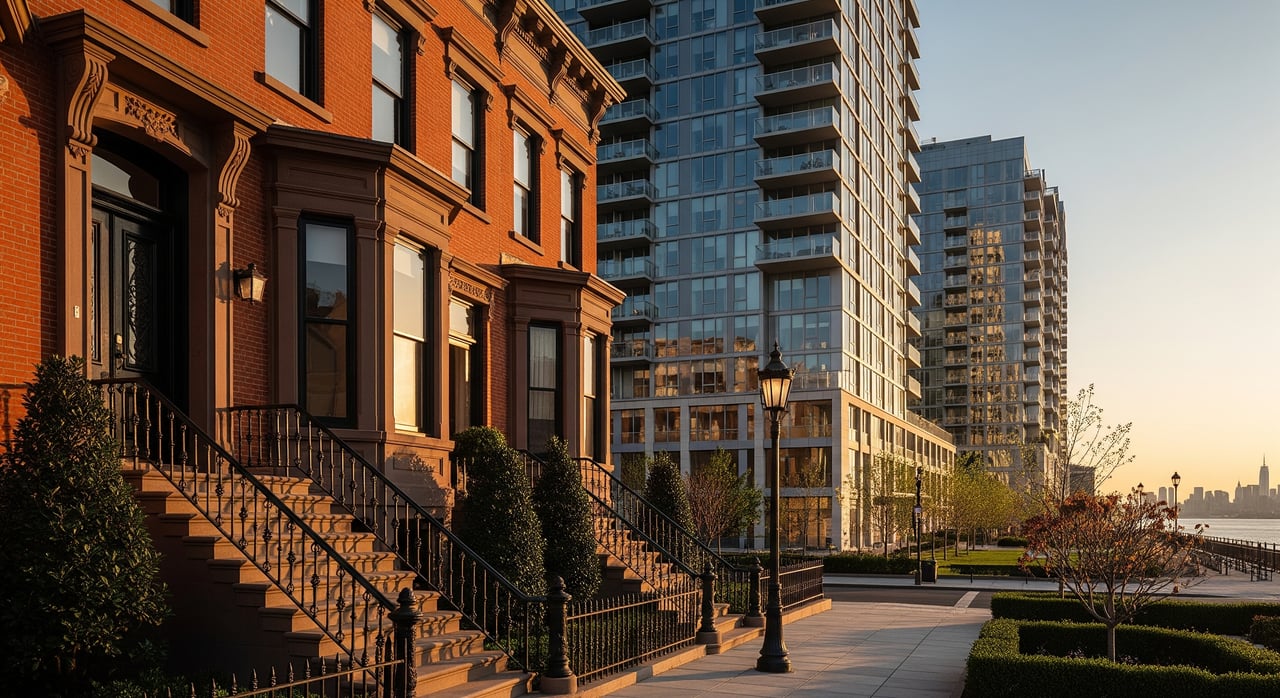
Historic brownstones cluster in classic, low-rise pockets like Hamilton Park, Van Vorst Park, Harsimus Cove, Paulus Hook, parts of Downtown, and select blocks in Bergen-Lafayette. These are typically 19th or early 20th century brick rowhouses or attached townhomes, sometimes legally converted to multi-family.
Condos dominate the waterfront and newer development corridors. You will see high-rises and mixed-use communities in Newport and Exchange Place, newer product around Downtown corridors like Columbus Drive, and larger projects near Journal Square, plus smaller boutique conversions across the city.
Condos often attract buyers who value convenience, amenities, and proximity to commuter hubs. Brownstones appeal to those seeking character, privacy, and flexible space for long-term living. Both serve commuters to New York City and local professionals, but your lifestyle priorities will drive the better fit.
Purchase prices vary by neighborhood, size, and finish level. Well-located brownstones in sought-after historic pockets can command a premium, especially if they offer multi-family configuration or rental potential. Luxury waterfront condos can be pricey per square foot, while smaller units provide lower entry points. Expect standard transfer taxes and attorney fees. Condos add document review costs, while brownstones may require deeper due diligence for older systems or deferred maintenance.
Condo fees cover common areas and shared systems, and sometimes utilities or amenities. Fees vary widely based on age and features. High-amenity towers with doorman, gym, or pool sit at the higher end. Property taxes and unit insurance are separate.
Brownstones have no HOA fee unless part of an association. You pay utilities, trash, landscaping, and all exterior upkeep directly. Your monthly picture is mortgage plus taxes, insurance, and a maintenance reserve.
Older brownstones can carry higher near-term and mid-term capital needs. Think roofs, windows, boilers or HVAC, electrical and plumbing updates, masonry repointing, possible lead paint or asbestos, and foundation or structural repairs. A common rule of thumb is to set aside 1 to 3 percent of property value per year for maintenance and repairs, often more for older homes. Get local contractor input for specific scopes.
Condo buildings handle common systems through reserves and planned capital projects. You are responsible for your interior. If the association’s reserves are low, special assessments can add to your costs. Review reserve health before you commit.
New Jersey’s property taxes are generally high compared with many states. Both condos and brownstones pay municipal property tax based on assessed value. Always confirm the current assessment and check for any exemptions.
Insurance differs by property type. A brownstone typically needs a standard homeowners policy, with separate flood coverage if required by location. Condo owners purchase HO-6 coverage for the interior and personal property, while the master policy insures the building’s shell and common elements. Building policies vary between all-in and bare-walls, so read the condo documents closely.
Jersey City’s Landmarks Preservation Commission oversees designated historic districts like parts of Van Vorst Park and Hamilton Park. Exterior work on brownstones, including windows, facades, masonry, cornices, and stoops, may require LPC review and permits. Significant interior reconfigurations can also trigger permits, especially if structural elements are touched. Plan both time and budget for approvals if you intend to renovate.
Condo buildings follow modern codes in new construction, and conversions may have code upgrades baked in. Interior renovations in condos are limited to what building rules allow. You cannot alter common areas or structural elements, and many boards require work applications and scheduled hours.
Before you buy a condo, review the full package: bylaws, financial statements, reserve study, meeting minutes, pet policies, sublet rules, parking allocations, and any planned capital projects. Ask about special assessments and recent work on elevators, HVAC, facade, and life-safety systems. Governance and reserves directly influence your monthly costs and long-term risk.
Brownstones usually qualify for standard purchase loans. If you plan to renovate, consider FHA 203k or Fannie Mae HomeStyle options that combine purchase and renovation in one loan. The details depend on owner-occupancy, single-family versus multi-family classification, and your down payment strategy.
Condos involve an extra layer: lenders assess project eligibility. Certain loan programs have requirements around owner-occupancy ratios, investor concentration, and reserve levels. FHA and VA programs look for approved projects. If you are using these programs, confirm eligibility early to avoid surprises.
A brownstone gives you a private entrance and less shared hallway traffic. Party walls mean you still have neighbors next door, and older buildings may not have modern soundproofing. Quality renovations can improve acoustic comfort.
Condos share walls, floors, and ceilings. Sound transmission varies by building quality, age, and construction type. Some higher-end condos have enhanced acoustic design.
If you want flexible space, a brownstone offers room to grow, often with a basement for storage or a workshop, and a backyard or stoop. Some have garage potential. Layouts can be opened up or reworked with the right permits. This flexibility is a major advantage if you like to personalize your home.
Condo living favors compact efficiency. You may get a balcony and shared roof decks or courtyards. Storage is often tighter unless a unit includes dedicated space. Parking can be included or offered for a fee depending on the building.
Condo amenities are a big draw: doorman or security, gyms, pools, lounges, and cowork areas. It is low maintenance living, which can be ideal for busy schedules. The tradeoff is an HOA fee that rises with service level.
Brownstone ownership gives you autonomy and a hands-on relationship with your property. You manage upkeep and vendors, but you also get the chance to garden, design your interiors, and add value through thoughtful improvements. For some, that creative control is the point.
Transit access drives demand and resale. Waterfront and Exchange Place condos are close to PATH, ferries, and bus corridors. Many historic brownstone neighborhoods are also highly walkable to transit and daily needs. Time your door-to-door commute from any specific address, not just the neighborhood label.
Entry-level condos near transit often have a larger buyer pool, which can support quicker resale. High-amenity luxury towers serve a narrower segment and can be more sensitive to interest rate cycles. Brownstones tend to attract buyers who want a single-family feel and private outdoor space, especially in historic neighborhoods with a strong local identity.
Location still rules. Proximity to PATH and major employment centers, neighborhood development, and property condition drive value for both types. Waterfront condos can appreciate quickly in high-demand periods, while well-cared-for historic brownstones can hold a premium for character and outdoor access. Macro conditions and supply matter, so align your time horizon with the submarket you choose.
Brownstone risks include deferred maintenance surprises, structural settlement, older plumbing or electrical, termite activity, and possible lead or asbestos remediation. Historic district rules can add time and cost to exterior changes.
Condo risks include HOA financial mismanagement, low reserves, special assessments, project underwriting hurdles if investor ratios are high, and developer warranty expirations. Older buildings can face system obsolescence that requires major capital work.
Waterfront towers and lower-lying blocks can sit in FEMA flood zones. That may require flood insurance and thoughtful mitigation. Some newer buildings elevate lobbies or engineer flood protections. Inland brownstone areas like parts of Hamilton Park can be on slightly higher ground, but you should still confirm elevation and local flood risk for each address. Ask for elevation certificates and insurance quotes during due diligence.
Use this checklist to compare a specific brownstone and a condo side by side:
If you love the romance of a stoop and a private garden, a brownstone might make you happiest. Just plan for maintenance and the rhythm of approvals if you want to update the facade or reconfigure rooms. Bring a practical lens to structure, envelope, and systems.
If you want a turnkey home with amenities and a short walk to PATH or ferries, a condo can be the smart move. Read the building’s financials closely. A strong reserve study and clear capital plan help protect you from surprises.
Either path can be a great investment if you buy the right home in the right pocket. Your best choice comes from aligning budget, lifestyle, renovation appetite, and time horizon. If you want a second opinion on a specific property or a renovation plan that adds value without overcapitalizing, our team can help you compare options and run a side-by-side cost outlook.
Ready to tour neighborhoods like Hamilton Park, Paulus Hook, and the waterfront with a local guide who understands both design and resale? Connect with Alena Ciccarelli to map your next step and Arrange a Viewing.
Explore my latest insights, market trends, tips, and updates on real estate.


Whether you’re buying or selling, Alena Ciccarelli delivers exceptional service, local expertise, and a client-first approach that makes your real estate journey seamless and rewarding. If you want to get the highest value for your home, contact Alena for a free consultation!
Alena Ciccarelli
1412 Washington St Hoboken, NJ, 07030