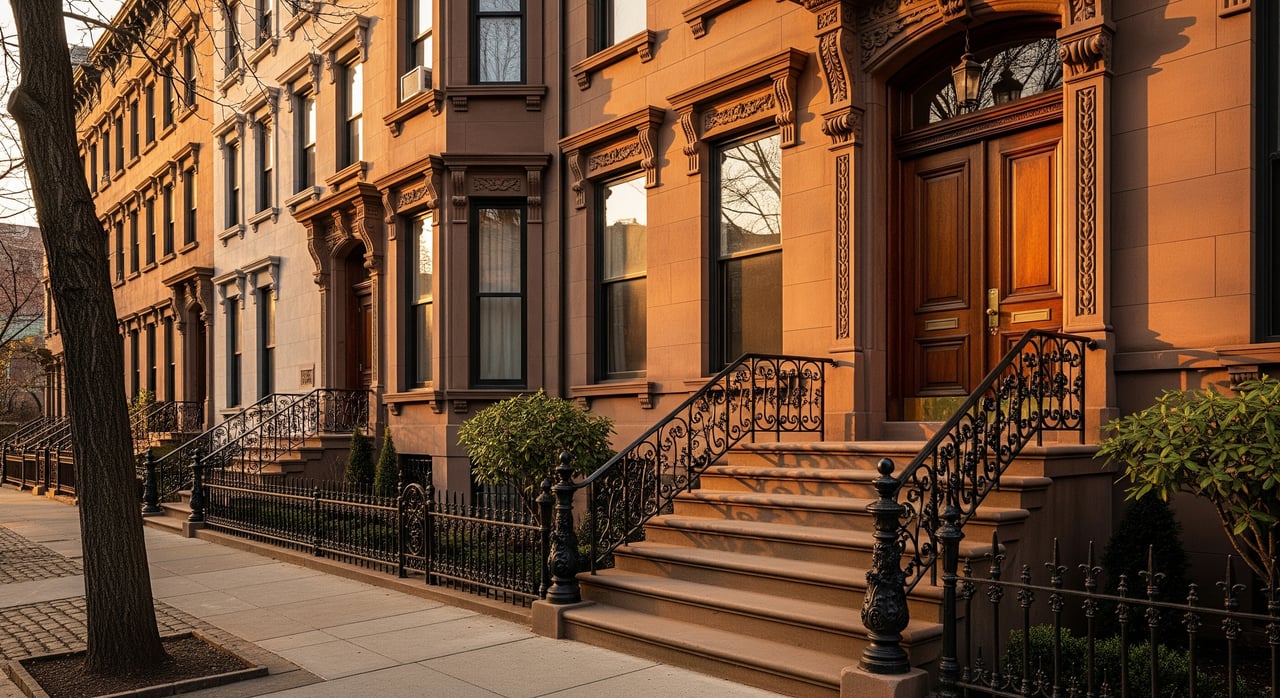
Smart Pricing to Sell Your Jersey City Brownstone
Pricing a Jersey City brownstone is as much about the block as the building. List too high and you risk sitting while better-positioned homes sell. List too low and you leave money on the table. You want a clear, defensible price that matches the way buyers and appraisers think. This guide shows you the key value drivers, how to build a tight comp set, and the steps to prepare for a spring listing so you can price with confidence. Let’s dive in.
Jersey City is a true micro-market. Prices shift by neighborhood and often by street. Classic brownstones and rowhouses cluster around Paulus Hook, Van Vorst Park, Hamilton Park, Journal Square’s older blocks, Bergen-Lafayette, and parts of The Heights and McGinley Square. Waterfront hubs like Exchange Place and Newport trade higher overall but have fewer classic rowhouses.
Buyer pools are diverse. You will see commuters who value PATH or ferry access, buyers who prioritize walkability and neighborhood amenities, and investors who focus on income or future rent growth. Each group evaluates features differently, which affects pricing and time on market.
Spring is typically the busiest season. A larger buyer pool in spring can support stronger pricing and faster absorption. Pair that seasonal lift with tight supply of historic rowhouses and you get markets where values change within a few doors on the same block.
Proximity to PATH, light rail, or ferry service is a major lever. Shorter, predictable Manhattan commutes often command a premium. If you are near major transit and everyday conveniences, you can lean on recent comps with similar access.
The local rental market also matters. Strong rental demand increases investor interest, especially for homes with legal garden apartments. That wider buyer pool can support more aggressive pricing when documentation is in order.
Buyers and appraisers sort brownstones by renovation level. Typical categories include original or dated, cosmetically updated, fully renovated with modern kitchens, baths and systems, and gut-renovated with new layout and MEP systems.
Condition translates directly to buyer effort and risk. Fully renovated homes with updated roofs, HVAC, electric and plumbing appeal to move-in-ready buyers and reduce post-close spending. Preserved historic details can create a premium for buyers who value authenticity, especially when paired with solid systems.
Consider a pre-listing inspection. Identifying roof, structural, or system issues early helps you address repairs or set clear expectations. Cosmetic fixes like paint and minor repairs improve first impressions and can boost perceived value.
A usable, legal garden apartment broadens your audience to investors and buyers seeking mortgage offset. Legal status matters. Buyers and lenders look for proper egress, fire separation, permits, and a valid Certificate of Occupancy.
When a garden unit is legal and well finished, marketability increases and the effective value can rise. Investors often factor gross rent potential into their analysis. If a unit is illegal or poorly finished, expect a smaller buyer pool, higher capex assumptions, and possible price pressure.
Prepare your documentation. Have leases, a current rent roll, recent rental comps, permits, the C/O, and any inspection reports ready. Clear paperwork supports your price and helps financing move smoothly.
Lot width and depth are big pricing inputs. Wider frontages often command premiums because they allow better room proportions, improved light, and more flexible layouts. Two homes with similar square footage can trade differently if one is notably wider.
Lot depth adds outdoor potential and future options. While most rowhouse blocks follow consistent patterns, corner or wider lots can be outliers. If your parcel differs from the block norm, document exact dimensions and any approved extensions.
Original features like stoops, mantels, woodwork, plaster moldings, stained glass, and a sound brownstone façade are valued when they are well maintained. Historic-district designation can attract buyers who want protected character but may add time and cost for exterior changes.
If you are in or near a designated historic district, expect review for exterior work. Gather documentation for prior approvals and any permits you obtained. Buyers appreciate clarity on what has been done and what is allowed.
Private outdoor space is a major plus in dense urban areas. Landscaped rear yards and gardens with privacy and easy access tend to perform better than raw or awkward spaces. Potential for a roof deck can be attractive, subject to zoning, structural capacity, and visibility rules.
Parking is a mixed factor. On-street permits or dedicated off-street parking add value for some buyers. Proximity to transit can offset limited parking. Dry, orderly basement storage and mechanical rooms are also positives.
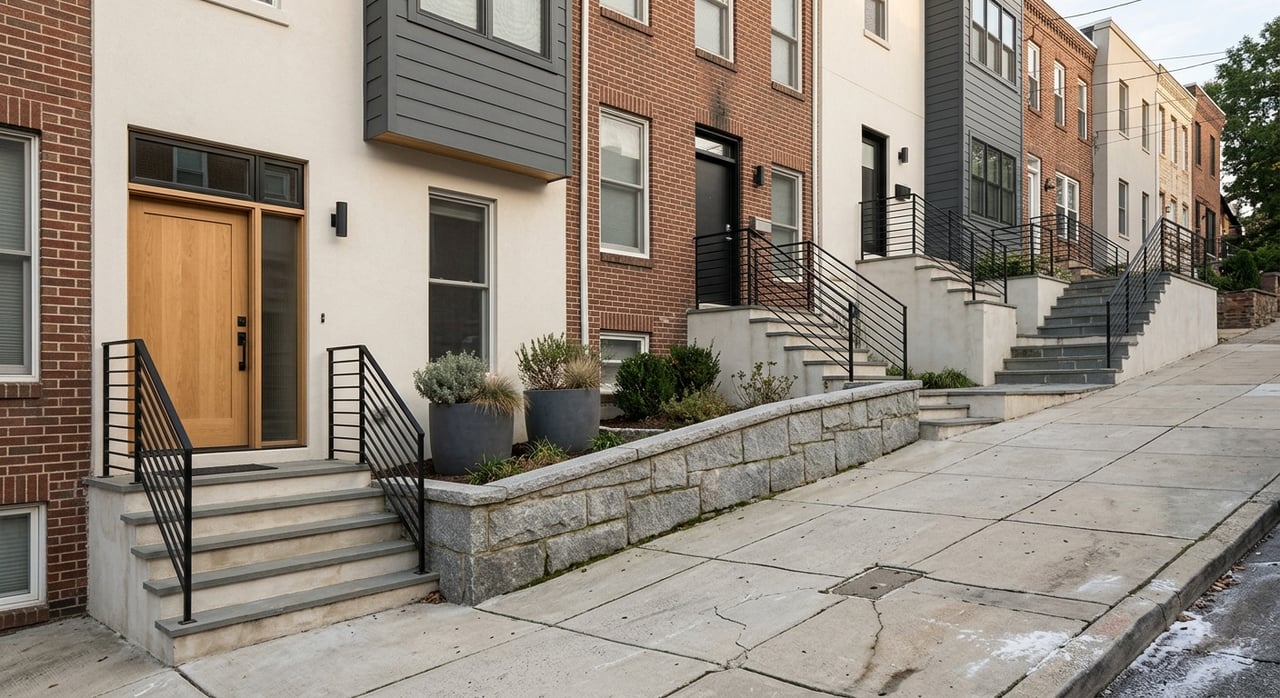
Street-level context matters. Buyers and appraisers note adjacent property maintenance, street trees, lighting, noise sources, and cleanliness. Corner properties can trade differently due to more windows and light, balanced against privacy.
The most persuasive comps are often on the same block. A renovated house one street away can sell for more or less due to block character. For pricing, weigh immediate-block sales more heavily when they exist.
Start with the most recent closed sales. In a fast-moving market, focus on the last 3 to 12 months, and tighten to the same or adjacent blocks when possible.
Use multiple sources for verification. An experienced local agent can pull MLS data for closed sales and days on market. Public records from Hudson County help confirm lot dimensions, frontage, and legal descriptions.
Compare apples to apples. As you line up comps, adjust for:
Use the right metrics. Price per finished square foot is a starting point. For rowhouses, layout, ceiling heights, and legal garden units can skew that metric. Front-foot or lot-area comparisons can help when widths or layouts vary.
Lean into seasonality. Spring brings more buyers, which can shorten days on market if you price within the right band. A market-ready price that closely tracks direct comps can generate strong early activity.
Be mindful of search bands. Overpricing can push your home into a band where buyers expect larger or newer inventory. That mistake often leads to longer market time and a lower eventual sale.
Pair an agent CMA with appraisal when needed. For estate or tax planning, a licensed appraiser can provide a formal valuation with adjustments for unique features. Your agent’s CMA helps shape a listing strategy that reflects current demand.
If you would like a tailored pricing strategy that reflects your block, renovation level, and any rental income, reach out. Our design-forward marketing, renovation advisory, and neighborhood-specific comps can help you price with precision and present at a higher level. Connect with Alena Ciccarelli to get started.
Explore my latest insights, market trends, tips, and updates on real estate.

Whether you’re buying or selling, Alena Ciccarelli delivers exceptional service, local expertise, and a client-first approach that makes your real estate journey seamless and rewarding. If you want to get the highest value for your home, contact Alena for a free consultation!
Alena Ciccarelli
1412 Washington St Hoboken, NJ, 07030