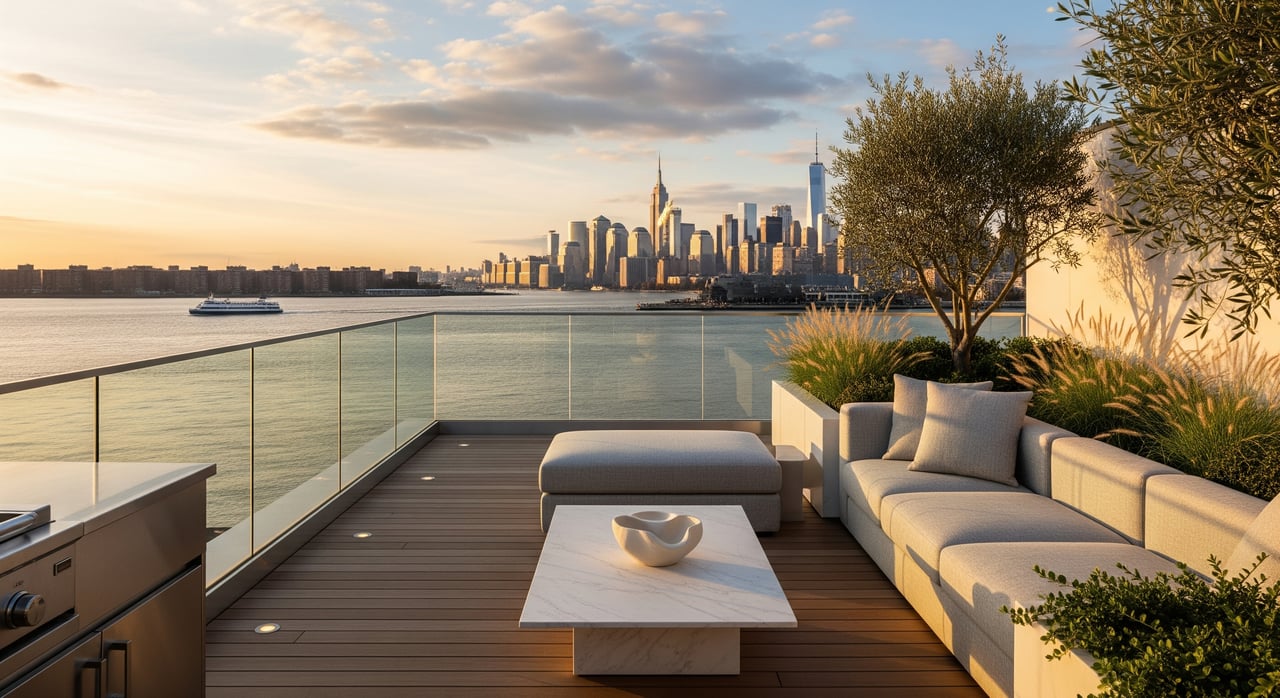
Inside the Edgewater Waterfront Lifestyle: Pros & Cons
Imagine waking up to skyline views and a riverfront path right outside your door. If you are weighing a move to Edgewater’s waterfront, you already know the appeal. You also want the full picture, from commuting and parking to building amenities and weekend life. This guide gives you a realistic look at daily living and the tradeoffs so you can decide if it fits your lifestyle. Let’s dive in.
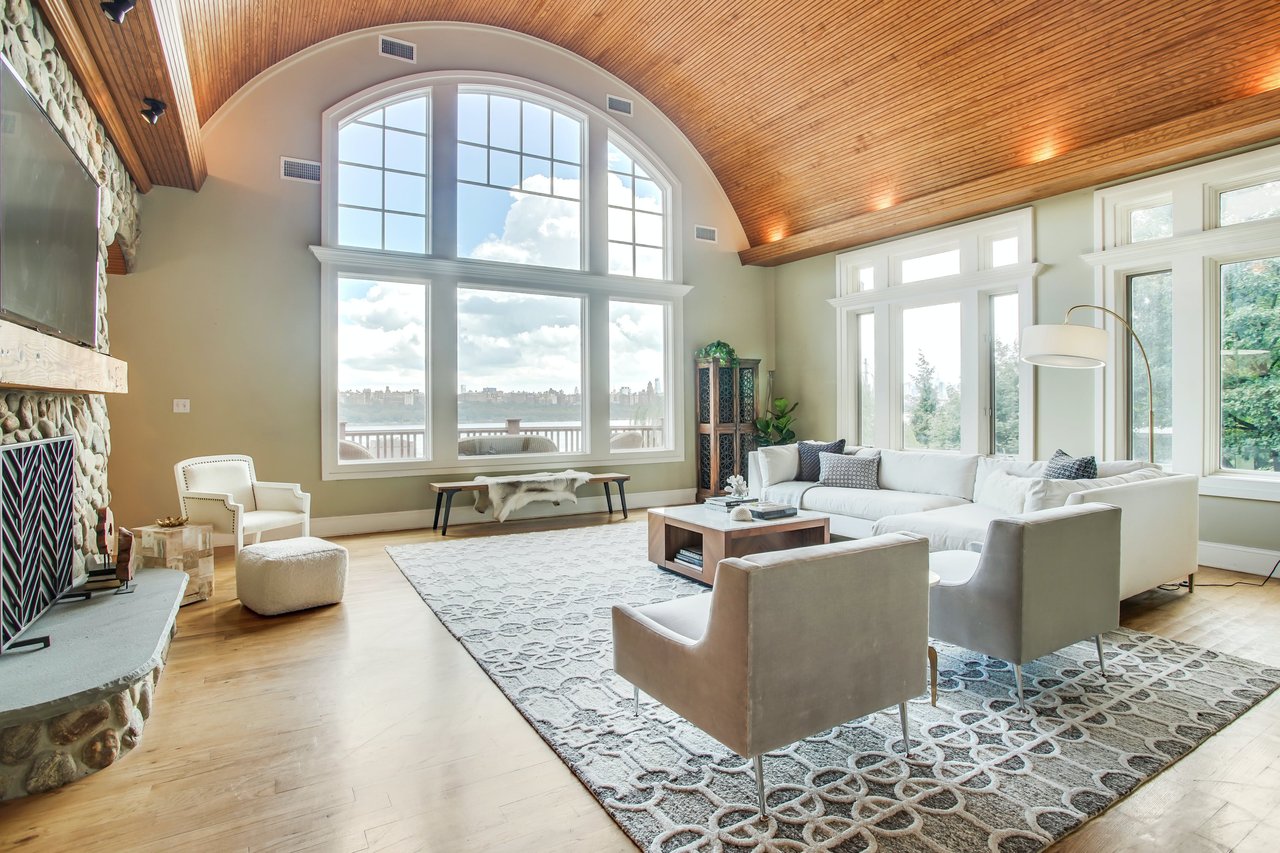
Edgewater hugs the Hudson River, and many homes line up to capture Manhattan views. You will find a mix of newer high-rise condos and rentals, mid-rise garden complexes, and a few inland single-family pockets. Units often skew toward one to two bedrooms with modern finishes and building services.
The draw is clear. You get scenic access to Manhattan, a calmer vibe than denser Gold Coast downtowns, and direct connection to the Hudson River Waterfront Walkway. The tradeoffs usually show up in commute choices, parking, and recurring building costs.
Your commute will shape your daily routine. Most residents weigh the ferry against the bus, with some driving or mixing modes depending on schedule.
The ferry is popular for its comfort and reliable door-to-door time to Midtown or Lower Manhattan during office hours. Riders often report about 20 to 40 minutes depending on the route and terminal. You get a straightforward waterfront-to-waterfront trip and a stress-light start to the day.
What to consider:
Buses run along River Road to Manhattan, serving Port Authority and other destinations depending on the route. Off-peak travel can be competitive. During busy times, traffic on River Road, the George Washington Bridge approaches, and other corridors can slow things down.
What to consider:
Driving to Midtown means a bridge or tunnel crossing and trip times that can swing widely. For many residents, driving to a park and ride or to a ferry terminal with parking is a practical compromise.
What to consider:
Edgewater does not have a PATH station. Many commuters combine bus with PATH or drive to nearby towns for rail connections. If you work near Battery Park City or the Financial District, a direct ferry can beat a bus plus transfer.
River Road is your main commercial spine. You will find grocery stores, pharmacies, banks, coffee spots, salons, and a steady mix of national and local dining. Waterfront restaurants cluster near piers and plazas, while quick meals and takeout line the corridor.
For daily errands, River Road has you covered. If you want bigger shopping trips, major Bergen County centers are a short drive away. Evenings and weekends bring a comfortable, local scene. If you want a dense nightlife district, you will often head to nearby cities within a 10 to 20 minute drive.
Walkability shifts block to block. Waterfront complexes with ground-floor retail feel very convenient. Inland stretches and some strip-mall areas are more car-oriented. It helps to map your building against the nearest grocery, coffee, and transit stops and test the walk in real time.
Parking and amenities often define whether a building fits your routine and budget.
On-street parking near the waterfront and along busy parts of River Road is limited. Many buildings offer assigned garage or lot spaces that can be included in HOA or rent, or sometimes billed separately. Ferry terminals generally offer paid parking, which can fill up during peak hours. Visitor parking varies by building, so guest passes and time-limited curb spaces are common.
Tips:
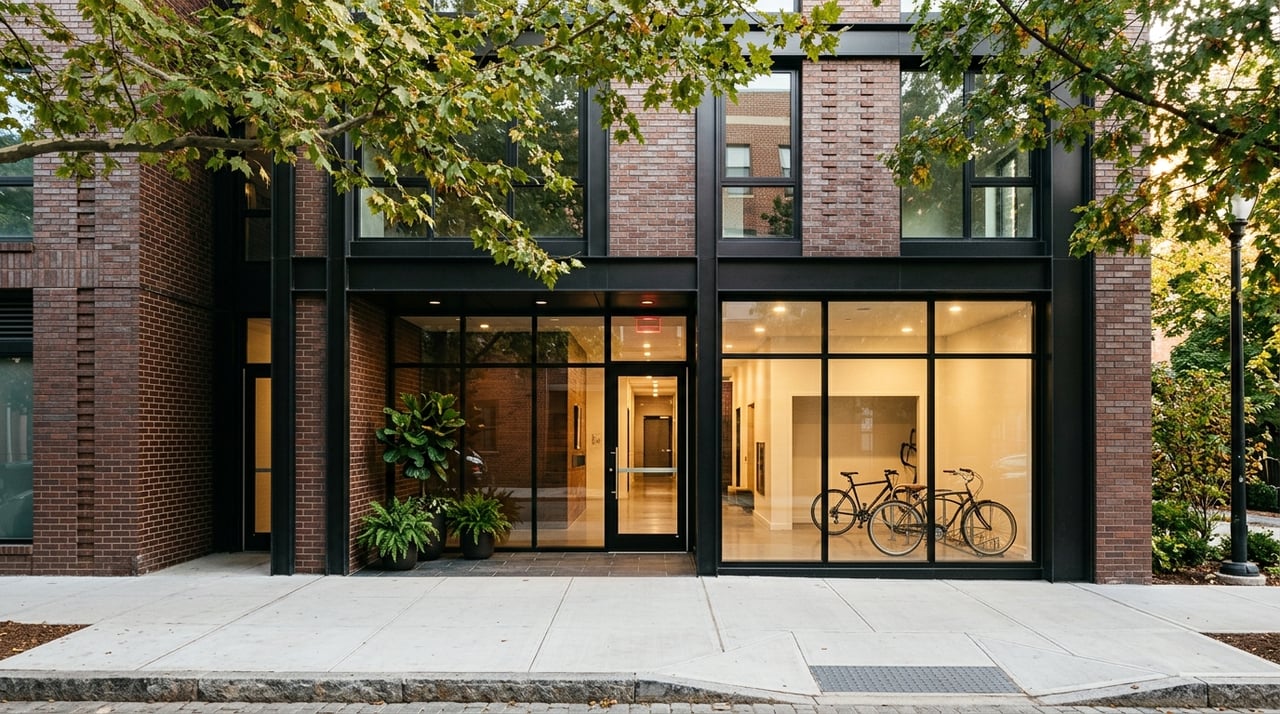
Modern waterfront buildings often include a doorman or concierge, fitness centers, pools, lounges, rooftop terraces, bike storage, package rooms, and on-site management. Amenities can elevate daily life, especially in winter when outdoor time dips.
The tradeoff is cost. Buildings with robust amenities usually come with higher HOA or maintenance fees. Rules on amenity use can also vary between owners and renters, so read the fine print.
The Hudson River Waterfront Walkway is a highlight of living in Edgewater. It is a continuous promenade used for morning runs, evening strolls, dog-walking, and casual biking.
You might start the day with a jog or coffee walk, then run errands on River Road. Afternoons bring families, cyclists, and neighbors catching the view from benches and pocket parks. Some piers offer seating and public access points.
Active options include walking and running, casual cycling with shared-use awareness, and nearby access to kayaking or canoe programs. For more green space, larger Bergen County parks are a short drive away.
Summer is the busiest season. Outdoor dining fills up, the walkway gets lively, and occasional waterfront events draw visitors. In winter, the pace slows but the views still deliver. Ferry schedules may shift in colder months, and some outdoor amenities close until spring. During storm season, low-lying areas can be affected, so keep an eye on local resilience projects and building-level protections.
If you prefer quieter times, early mornings, weekday evenings, and less central stretches of the walkway offer more breathing room.
Edgewater’s waterfront fits you if you value views, a comfortable commute option like the ferry, and the convenience of River Road for daily needs. It also suits downsizers and busy professionals who will use building amenities and do not need large private yards.
You may want to pause if you prefer a single-family home with a large footprint, need two or more parking spaces without added fees, or require late-night transit right at your door. If dense nightlife is a must, you will plan on short trips to nearby cities.
Use this quick checklist before you buy or rent:
Edgewater offers a clear lifestyle: scenic, commuter-friendly living paired with a convenient retail corridor and a signature riverwalk. The main tradeoffs involve cost versus predictability in your commute, street scarcity versus paid garage parking, and recurring HOA and insurance expenses. If those factors line up with your priorities, the waterfront can be a great fit.
Ready to compare buildings or plan a test commute day-by-day? Connect with Alena Ciccarelli for design-forward guidance on building-by-building amenities, HOA review, parking policies, and smart strategies to position your purchase or sale.
Explore my latest insights, market trends, tips, and updates on real estate.

Whether you’re buying or selling, Alena Ciccarelli delivers exceptional service, local expertise, and a client-first approach that makes your real estate journey seamless and rewarding. If you want to get the highest value for your home, contact Alena for a free consultation!
Alena Ciccarelli
1412 Washington St Hoboken, NJ, 07030