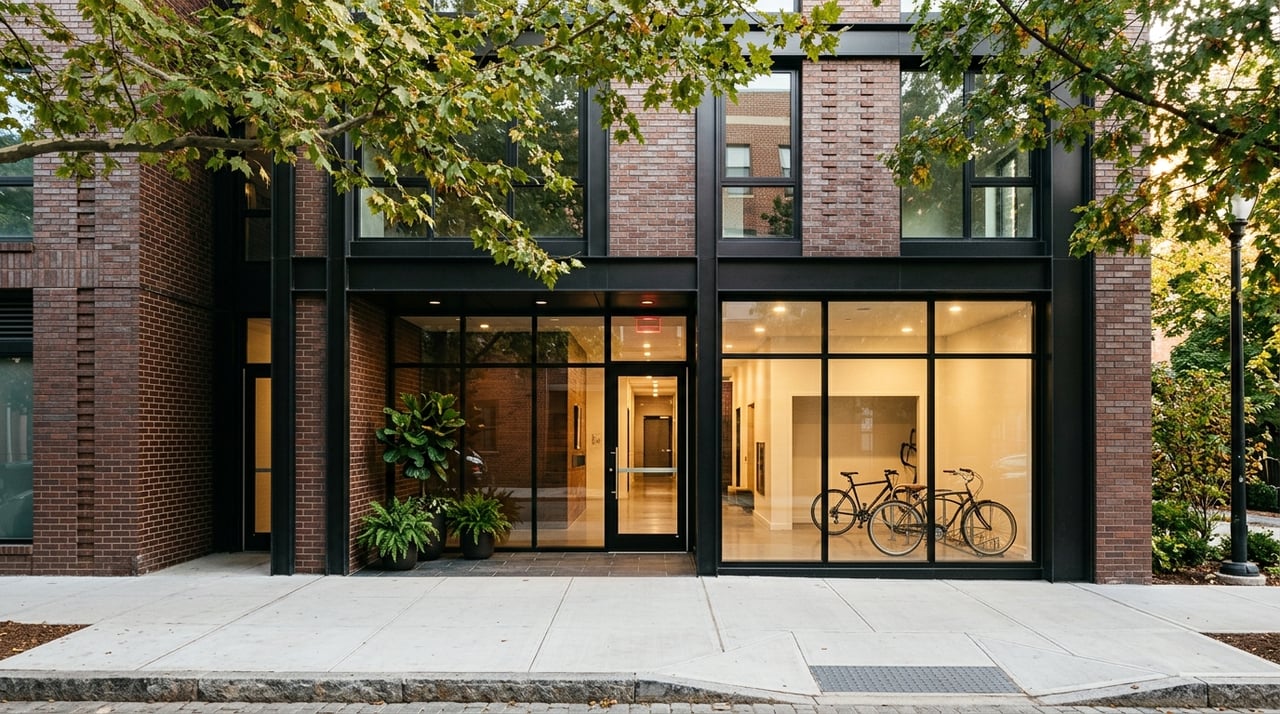
Living Car Free in Hoboken: Is It the Right Fit?
If you are wondering whether you can really live in Hoboken without a car, the short answer is yes. In fact, daily life here is set up in a way that makes walking, transit, and biking feel more natural than driving for many residents. If you are considering a move, a rental, or a purchase in Hoboken, this guide will help you picture what a car-free routine actually looks like. Let’s dive in.
Hoboken stands out as one of the region’s clearest examples of car-free living. The city describes itself as one of the country’s most walkable communities, and Walk Score gives Hoboken an average walk score of 97. That is the kind of number that usually reflects a place where daily needs are close together, not spread out across long driving routes.
The city’s layout supports that lifestyle. Commercial activity is concentrated in compact corridors like Washington Street, 14th Street, First Street, the Hoboken Terminal area, and the Southern Waterfront. For you, that often means errands, coffee runs, pharmacy stops, and dinner plans can fit into a short walk instead of a full car trip.
In Hoboken, walking is not just something you do on weekends. It is often the default way to get through the day. The city’s Vision Zero program also keeps the citywide speed limit at 20 mph, which reinforces a street environment designed around slower movement and short local trips.
That matters because convenience shapes habits. When grocery stops, takeout, small retail, and everyday services sit within a compact street grid, you are more likely to head out on foot instead of planning around parking. In many parts of Hoboken, that rhythm becomes second nature quickly.
Hoboken’s farmers’ markets help support a walkable lifestyle across different parts of the city. The city currently lists downtown, midtown, and uptown markets, which means fresh produce and market shopping are not limited to one corner of town during the season.
That spread makes a practical difference. Instead of turning grocery shopping into a big weekly drive, you may find yourself doing smaller, easier trips on foot. For many people, that feels simpler and more in sync with city living.
Pharmacy access also fits the car-free pattern. The city lists several pharmacy options downtown, midtown, and uptown, including a 24-hour CVS downtown and additional pharmacies on Washington, 1st, 14th, and Willow.
When basic needs are distributed across the city, daily life becomes easier to manage without a vehicle. A quick prescription pickup or household errand does not have to turn into a major outing. You can often handle it during a regular walk through the neighborhood.
One of Hoboken’s biggest strengths is how naturally it connects to Manhattan. Hoboken Terminal functions as a true multimodal hub, with NJ Transit commuter rail, PATH, ferry service, and bike racks and lockers all in one place. That gives you more than one way to structure your commute.
For many residents, this flexibility is the real advantage. You are not locked into a single route or mode every day. You can adjust based on your work schedule, the weather, or where you need to be in the city.
PATH is a major reason Hoboken appeals to buyers and renters who want a New Jersey address with direct access to Manhattan. Weekday schedules show direct service from Hoboken to 33rd Street and the World Trade Center from 6 AM to 11 PM.
That kind of regular service supports a commute pattern that feels straightforward. If your day starts early, ends late, or changes often, direct rail access can make the city feel very connected to your work life.
Ferry service gives you another strong option. NY Waterway says the Hoboken/NJ Transit Terminal runs seven days a week to downtown and on weekdays to Midtown and Pier 11/Wall Street. Hoboken 14th Street also runs seven days a week to Midtown and on weekdays to downtown.
This matters because commuting is not always one-size-fits-all. Some days, a ferry ride may be more convenient based on your office location or your schedule. In a car-free lifestyle, having multiple transit choices can make the entire routine feel easier.
The city’s free Hop shuttle helps close the gap for shorter local trips. Hoboken says riders can track the buses in real time, flag a bus at any intersection, and use the service to reach city services and transportation hubs without paying a fare.
For you, that can be especially useful on days when walking is less appealing or when you are carrying bags and heading toward the terminal. It adds another layer of mobility without adding the cost and maintenance of a personal car.
In some places, biking feels optional or limited to a few routes. In Hoboken, it functions more like a real transportation tool. The city describes Hoboken as bike-friendly and says more bike lanes and bike racks are being added.
That is important in a compact city. When the street network is short and connected, biking can cover daily trips quickly and efficiently. For many residents, it becomes the fastest way to move between home, transit, and neighborhood errands.
Hoboken’s Citi Bike system is connected to a broader regional network. The city says the system expanded into Hoboken in May 2021 with 29 docking stations and 300 bikes, and members across Hoboken, Jersey City, and New York City can access 21,000 bikes at almost 1,300 stations.
That scale gives bike share real everyday value. You can use it for first-mile and last-mile connections, quick cross-town trips, or getting to transit without needing to own a bike. For a car-free household, that kind of flexibility can be a major plus.
Living car-free does not mean you will never need a car. It means you do not need to own one for daily life. Hoboken’s Corner Car program gives residents access to on-street shared vehicles by the hour when a trip is less convenient by transit, walking, or bike.
That can be useful for occasional errands, out-of-town plans, or days when you need more flexibility. Instead of carrying the ongoing cost of ownership, you can use a vehicle only when it actually adds value.
Hoboken’s housing mix helps explain why car-free living works so well here. Census Reporter shows that 96% of homes are in multi-unit structures, and about 66% are renter occupied. Census QuickFacts reports an owner-occupied housing unit rate of 33.8%.
In practical terms, that means apartments and condos are the norm. These home types often line up naturally with walkable, transit-first living, especially when they are close to PATH, ferry access, Washington Street, or Hoboken Terminal.
Hoboken sits firmly in the upper urban market. Zillow reported a typical home value of $862,689 and a median sale price of $849,833 as of spring 2026, while Redfin reported a median sale price of $998,902 over the three months ending May 2026.
The exact figure varies by methodology, but the takeaway is consistent. Hoboken commands pricing in the high-$800,000s to around $1.0 million for typical and median market benchmarks. That reflects sustained demand for its location, housing stock, and commuter convenience.
If you want to live without a car, location inside Hoboken still matters. Homes near PATH, ferry service, Washington Street, or the terminal often make the lifestyle feel easier because they place commuting and daily errands closer to your front door.
That does not mean one area is right for everyone. It means your best fit depends on how you move through the day. If your priority is Manhattan access, one location may stand out. If you care more about easy market runs and neighborhood convenience, another may feel like a better match.
A car-free routine in Hoboken usually centers on short walks, quick transit connections, and flexible options. You may walk to coffee, pick up groceries at a local market, hop on PATH for work, and use a bike or shuttle for the occasional cross-town trip.
That lifestyle tends to work best if you value convenience, density, and access over extra storage, a driveway, or detached-home living. For many buyers and renters, that tradeoff feels worth it because the city makes everyday movement simple.
If you are comparing Hoboken with other nearby markets, this is one of its clearest lifestyle advantages. The city’s walkability, transit network, and housing mix all support a way of living that can feel efficient, connected, and refreshingly low-friction.
If you are exploring Hoboken condos, rentals, or investment opportunities and want help narrowing in on the right fit for your routine, Alena Ciccarelli can help you evaluate location, lifestyle, and value with a local perspective.
Explore my latest insights, market trends, tips, and updates on real estate.

Whether you’re buying or selling, Alena Ciccarelli delivers exceptional service, local expertise, and a client-first approach that makes your real estate journey seamless and rewarding. If you want to get the highest value for your home, contact Alena for a free consultation!
Alena Ciccarelli
1412 Washington St Hoboken, NJ, 07030