Jersey City Design Living by Neighborhood
If you want a home that feels connected to the city around it, Jersey City makes a strong case. Across just 14.9 square miles, the city blends preserved rowhouse blocks, high-rise living, landscaped parks, pedestrian plazas, and direct regional transit in a way that feels intentionally urban rather than suburban. For buyers and renters who care about design, walkability, and daily convenience, that mix matters. Let’s dive in.
Jersey City is not one uniform market. It is a collection of micro-neighborhoods, each shaped by a different mix of architecture, public space, and transit access. That is a big reason the city stands out for people who want their home and surroundings to feel considered.
The city itself points to a history of old factories being repurposed into offices and housing, and rail yards becoming landscaped parks. That pattern helps explain why Jersey City often feels layered and adaptive. Instead of one dominant housing type, you will find everything from historic rowhouses to newer condo towers near major transit nodes.
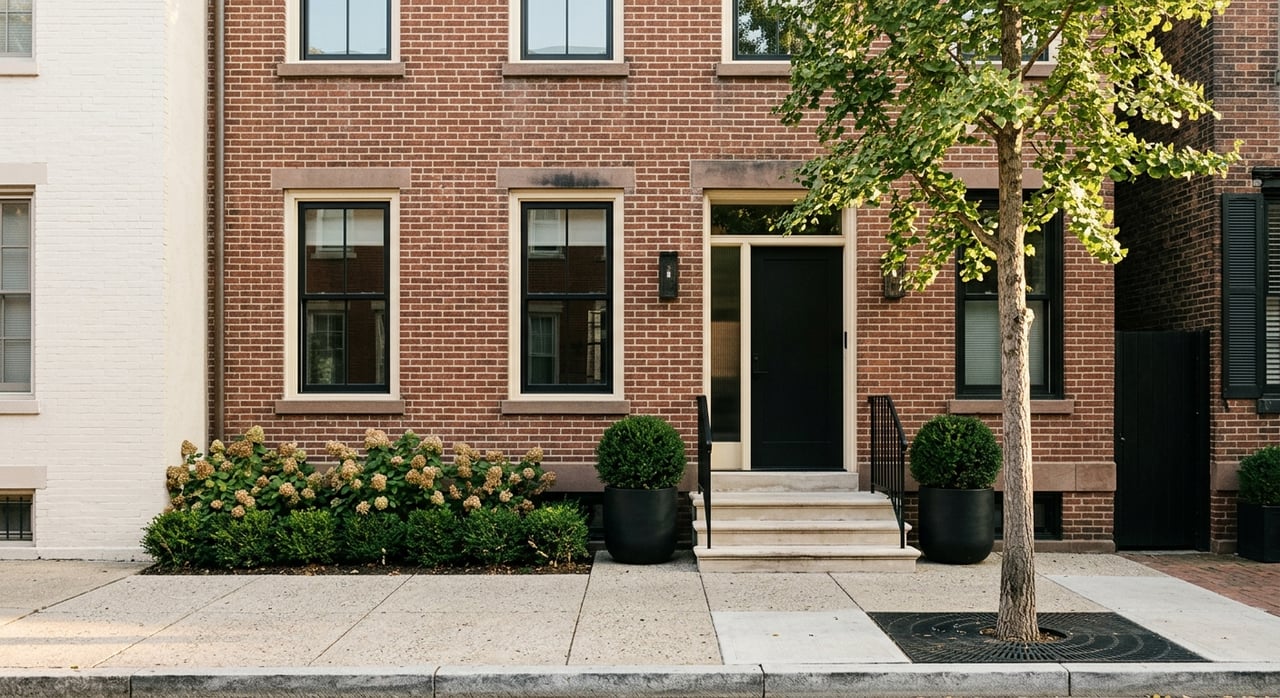
For many buyers, the most memorable parts of Jersey City are the historic districts. The city has five local historic districts: Paulus Hook, Van Vorst Park, Hamilton Park, Harsimus Cove, and West Bergen-East Lincoln Park. These are the places where architecture often drives the neighborhood experience.
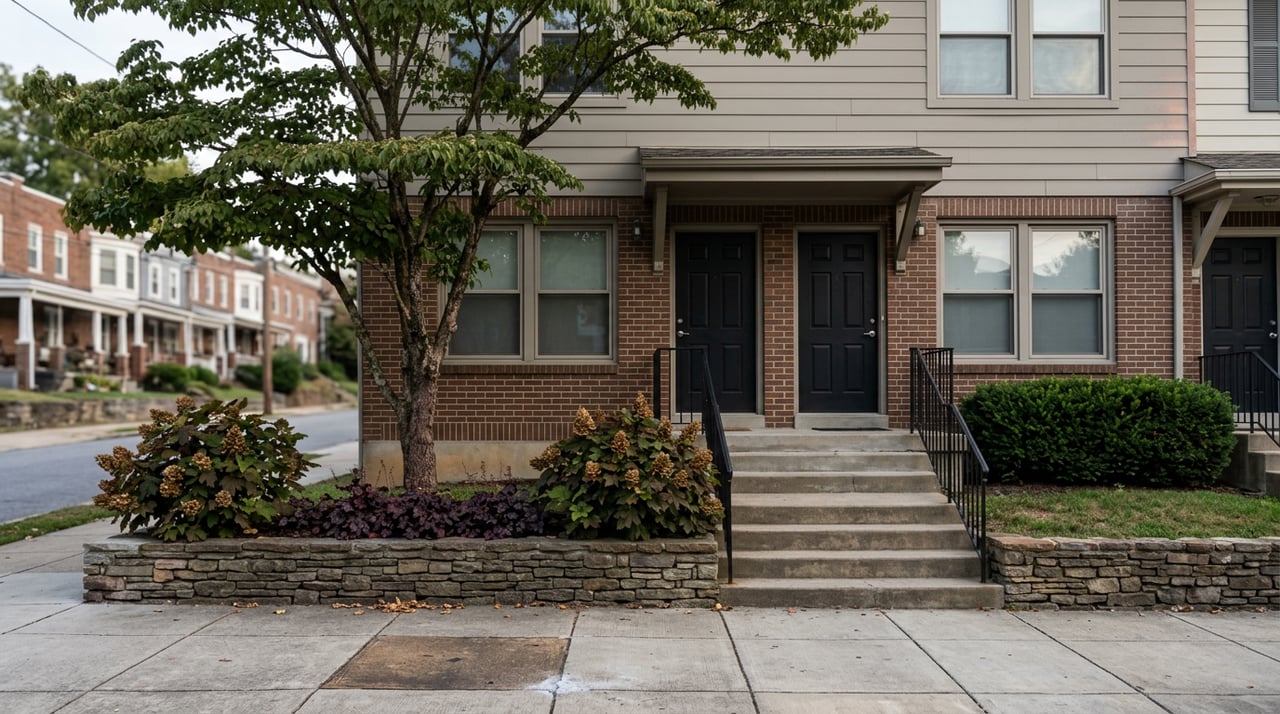
Open-data and preservation records describe common building types such as Greek Revival and Italianate rowhouses, brownstone-fronted rowhouses, and late 19th-century townhouses and tenements. On these blocks, the visual rhythm matters. Stoops, masonry, cornices, and consistent facades help create a strong street presence that many buyers immediately respond to.
That design appeal comes with practical considerations. In local historic districts, exterior work may require Historic Preservation Commission review, including some new construction, rear additions, roof decks, and demolitions. If you are considering a property with renovation potential, that review process can shape what is possible on the exterior.
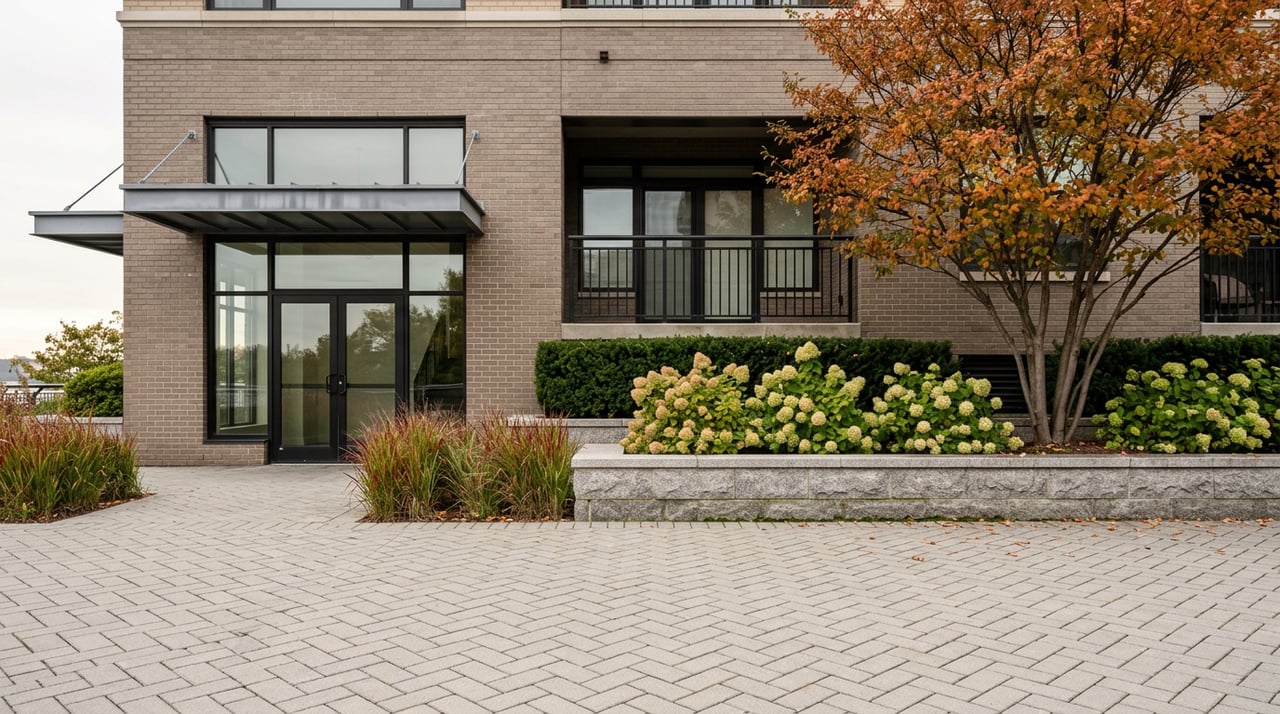
If your version of design-led living means amenities, elevator access, and a more contemporary feel, Jersey City has that too. Redevelopment materials around Grove Street describe mostly high-rise residential and commercial development along Montgomery Street and Christopher Columbus Drive. In Journal Square, planning materials point to mixed-use towers, retail, art galleries, theaters, hotel uses, and public plaza space.
This creates a useful divide for your home search. One side of the market leans toward preserved rowhouse neighborhoods with architectural texture and a lower-rise scale. The other leans toward newer towers and condo buildings where the appeal often centers on convenience, views, amenities, and close transit access.
For many buyers, the question is less about which option is better and more about which design story fits your life. Do you want original character paired with updated interiors, or do you want newer construction with a more polished, modern layout from day one?
One of the most important things to understand about Jersey City is how different each pocket can feel. Even within the broader downtown area, the experience shifts block by block.
City planning materials suggest that Downtown, Paulus Hook, Exchange Place, and Newport feel more transit- and waterfront-oriented. These areas often appeal to people who want to stay close to PATH service, ferries, and an active street scene. If your routine depends on quick regional access and a dense urban feel, these pockets often rise to the top.
Paulus Hook also stands out for its historic district character. It combines preserved housing stock with practical access to ferry service and the broader downtown core. For buyers who want old-world architecture without giving up transit convenience, that balance can be especially appealing.
Hamilton Park, Van Vorst Park, and Harsimus Cove tend to read as more historic and park-centered. Official planning language describes Harsimus Cove as a district of neat, mostly brick residential rowhouses and tenement buildings. Van Vorst Park is described through elegant townhomes and stately rows centered on the park itself.
These areas often attract buyers who care about scale and atmosphere. The appeal is not only the home, but also the experience of tree-lined blocks, preserved facades, and nearby open space that softens the pace of city living.
Journal Square has a different energy. Redevelopment materials frame it as a mixed-use district with towers, retail, art galleries, theaters, hotel uses, and public plaza space. Planning records tied to the Loew’s Theater also reinforce its civic and cultural role.
If you are drawn to places where the built environment is actively changing, Journal Square offers that sense of momentum. It is not simply a transit hub. It is a part of Jersey City where redevelopment, public space, and cultural anchors are all shaping the neighborhood identity.
City materials also support the idea that Bergen-Lafayette, the Heights, and the West Side feel more neighborhood-scale and park-heavy. For some buyers, that can mean a better fit if you want a more residential rhythm while staying connected to the city as a whole.
These areas can also be interesting if you value open space and local identity over being in the middle of the highest-density core. In Jersey City, that tradeoff is often what defines the search.
Design-led living is not just about interiors or facades. It is also about what your neighborhood feels like when you step outside. Jersey City’s parks and public spaces play a major role here.
Liberty State Park is the city’s marquee green space. The New Jersey Department of Environmental Protection describes it as one of the state’s most multi-faceted parks, with views of Manhattan, the Statue of Liberty, and Ellis Island. The park also includes a Nature Center and year-round ferry service to Warren Street in Jersey City and Brookfield Place in Manhattan.
For residents, that scale matters. Liberty State Park gives Jersey City a rare combination of urban access and open-sky relief. It is a strong example of how public space can elevate a city lifestyle.
Smaller parks also shape how specific areas live day to day. The city notes rehabilitation work on Hamilton Park and Riverview Park, and describes Leonard Gordon Park as one of Jersey City’s oldest and most beloved parks. These spaces are part of what gives different neighborhoods their own cadence.
Recent projects show that the city continues to invest in public space. Fairmount Triangle Park opened in 2023 after a community-driven renovation near Summit Avenue. Berry Lane Park in Bergen-Lafayette was created from remediated brownfields and later gained the city’s largest skatepark.
Jersey City’s public realm is not accidental. The city has explicitly pushed for pedestrian-focused spaces that support outdoor dining, public gatherings, and a more social street experience.
Newark Avenue is the clearest example. The city describes it as restaurant row and expanded the pedestrian plaza to support restaurant seating and pedestrian use. That move helps explain why Downtown Jersey City often feels active and inviting beyond the walls of individual buildings.
The Grove Street visioning study points in the same direction. The city frames future design there around traffic safety, sustainability, placemaking, and community and business needs. Together with the parklet program, these efforts show a city that is actively shaping street-level life.
For many people, design-led living includes what happens between home and destination. In Jersey City, some neighborhoods deliver more of that built-in activity than others.
Downtown has the strongest restaurant-row identity, with Newark Avenue and the blocks around Grove Street creating a highly walkable dining and social environment. The area around Grove Street PATH also benefits from planning that treats the station area and surrounding public space as one connected ecosystem.
Journal Square brings a different kind of energy. Its planning documents point to a mix of culture, redevelopment, and public space, which can create a more civic and future-facing feel. If you are choosing between neighborhoods, that difference in street life may matter as much as square footage.
Even the most beautiful home has to work in real life. Jersey City’s transit network is one of its biggest advantages, especially for people moving from Manhattan or Brooklyn who want to stay car-light.
PATH stations at Journal Square, Grove Street, Exchange Place, and Newport provide direct rail access to World Trade Center and or 33rd Street. Exchange Place and Newport also connect with ferries and other transit, adding flexibility for commuters.
NJ TRANSIT’s Hudson-Bergen Light Rail links western Jersey City with Exchange Place, Newport Center, Hoboken Terminal, Bayonne, and other Hudson County stations. That means neighborhoods farther from a PATH stop can still make practical sense for buyers and renters who rely on transit.
Ferry service adds another layer. NY Waterway lists Paulus Hook and Jersey City service to Brookfield Place and Midtown, while Liberty State Park offers year-round ferry service to Warren Street in Jersey City and Brookfield Place in Manhattan.
A design-led home search still needs a practical checklist. In Jersey City, two issues often shape the experience more than buyers first expect: parking and renovation rules.
The city’s parking division says resident parking permits are required for parking over two hours in many areas. If you own a car or expect guests to drive often, that can affect which neighborhood feels easiest for daily life.
For buyers considering updates, the city planning department points residents to the official zoning map, interactive ward map, and flood overlay map. Those tools can be helpful when comparing renovation potential or understanding how a property fits into the city’s planning framework.
Jersey City also remains heavily condo- and rental-oriented. Census QuickFacts reports an owner-occupied housing rate of 27.9% for 2020 through 2024, which helps explain why detached single-family housing is not the dominant story here. If you are searching in Jersey City, it often makes sense to approach the market as a choice between distinct urban housing formats rather than expecting one standard home type.
In Jersey City, design-led living is about more than finishes or staging. It is about how architecture, parks, streets, and transit work together in everyday life. A restored rowhouse near a park, a contemporary condo by Grove Street, or a home in a changing growth corridor can all fit that idea, but for different reasons.
The key is knowing what kind of design experience you want. Some buyers want historic detail and block character. Others want modern convenience and immediate transit access. The strongest home searches start by matching your priorities to the right micro-neighborhood, not just the right price point.
If you are exploring Jersey City and want guidance that combines neighborhood insight with a strong eye for design and renovation potential, Alena Ciccarelli can help you narrow the search with clarity.
Explore my latest insights, market trends, tips, and updates on real estate.

Whether you’re buying or selling, Alena Ciccarelli delivers exceptional service, local expertise, and a client-first approach that makes your real estate journey seamless and rewarding. If you want to get the highest value for your home, contact Alena for a free consultation!
Alena Ciccarelli
1412 Washington St Hoboken, NJ, 07030