Edgewater Waterfront Buildings Guide for Buyers
Finding the right Edgewater waterfront building is about more than picking the best view. If you are comparing condos, boutique residences, and townhome-style communities along the Hudson, the real question is how you want to live every day. When you know what to look for in service, commute, parking, maintenance, and flood exposure, you can choose with much more confidence. Let’s dive in.
Edgewater’s waterfront is not one single type of community. It is a mixed corridor with riverwalk segments, public access points like Edgewater Marina Park and Ferry Landing, and residential communities that vary a lot in scale and feel.
That matters because two buildings with similar water views can offer very different daily experiences. In Edgewater, buyers often compare buildings based on convenience, access, and service level just as much as the view from the window.
Before you focus on finishes or amenities, think about how the building fits your week. The best choice usually comes down to how easily you can move through your day, not just how impressive the lobby looks.
A waterfront home may feel perfect during a showing, but the right fit depends on your actual habits. If your schedule depends on transit, parking, or low-maintenance living, those details should lead your search.
Edgewater’s waterfront generally falls into three broad categories. Each one has a different balance of lifestyle, service, and ownership structure.
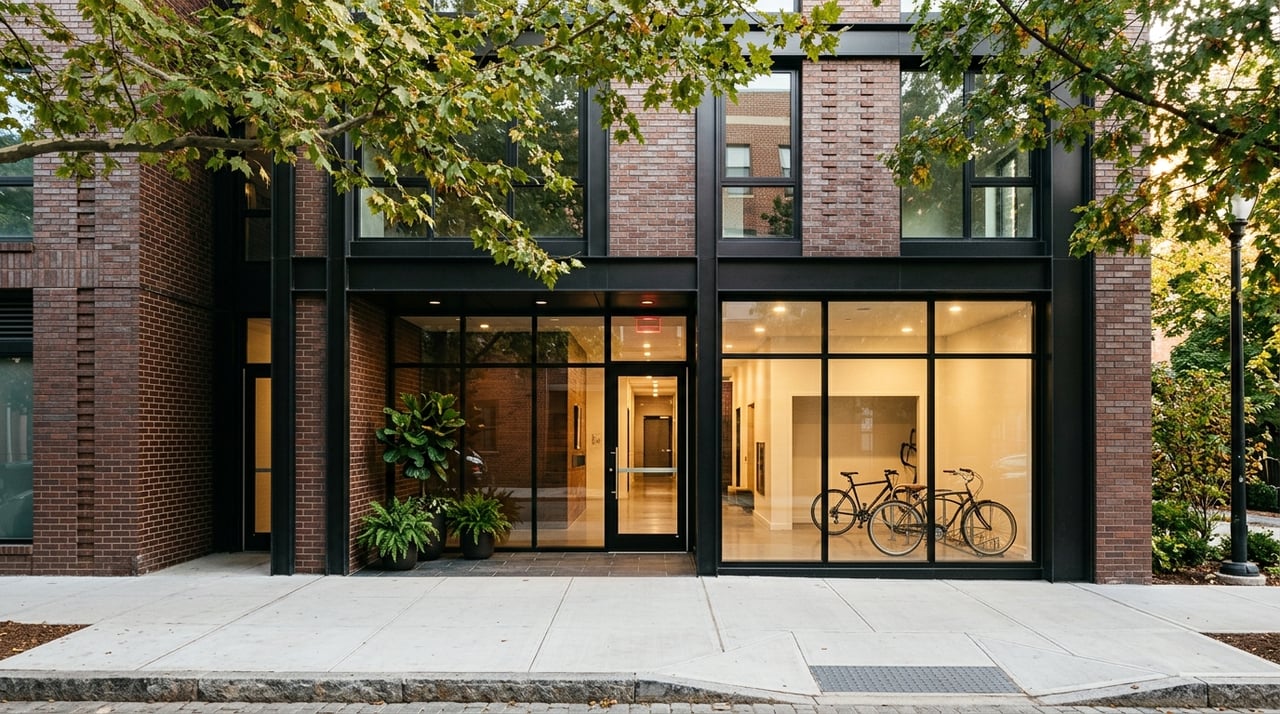
This is the most service-heavy option. Buildings in this category may offer features like concierge or doorman support, fitness centers, pools, club rooms, outdoor spaces, bicycle storage, EV charging, or on-site management.
Examples in the market show how broad that range can be. Communities like Independence Harbor and The Pearl highlight a more amenity-rich lifestyle built around shared services and convenience.
This type of building often works well if you want the least friction in day-to-day living. In exchange, you should expect monthly common charges to support a larger amount of shared infrastructure and services.
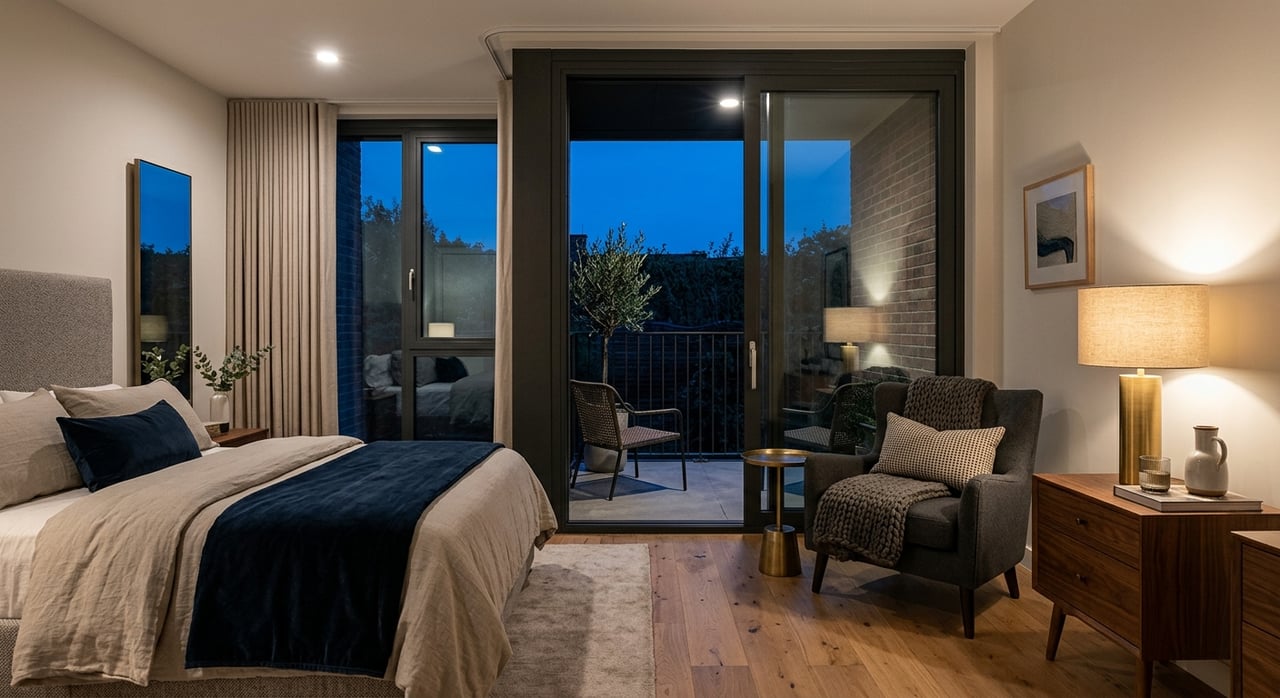
Boutique condos usually offer a more intimate scale. You may still get strong design, rooftop access, coworking space, or riverwalk proximity, but often with fewer residents and a quieter overall feel.
In Edgewater, this can appeal if you want a design-forward home without the footprint of a large resort-style complex. The tradeoff is that you should look carefully at whether the monthly fee matches the actual level of service and amenities provided.
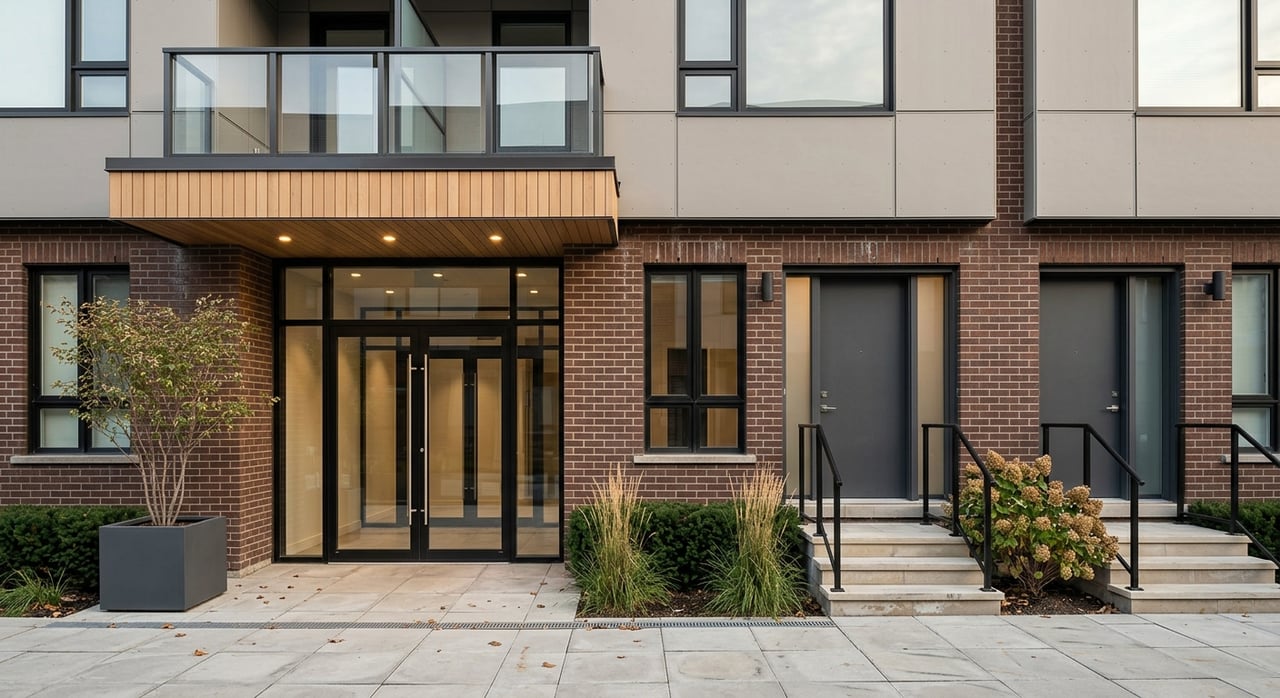
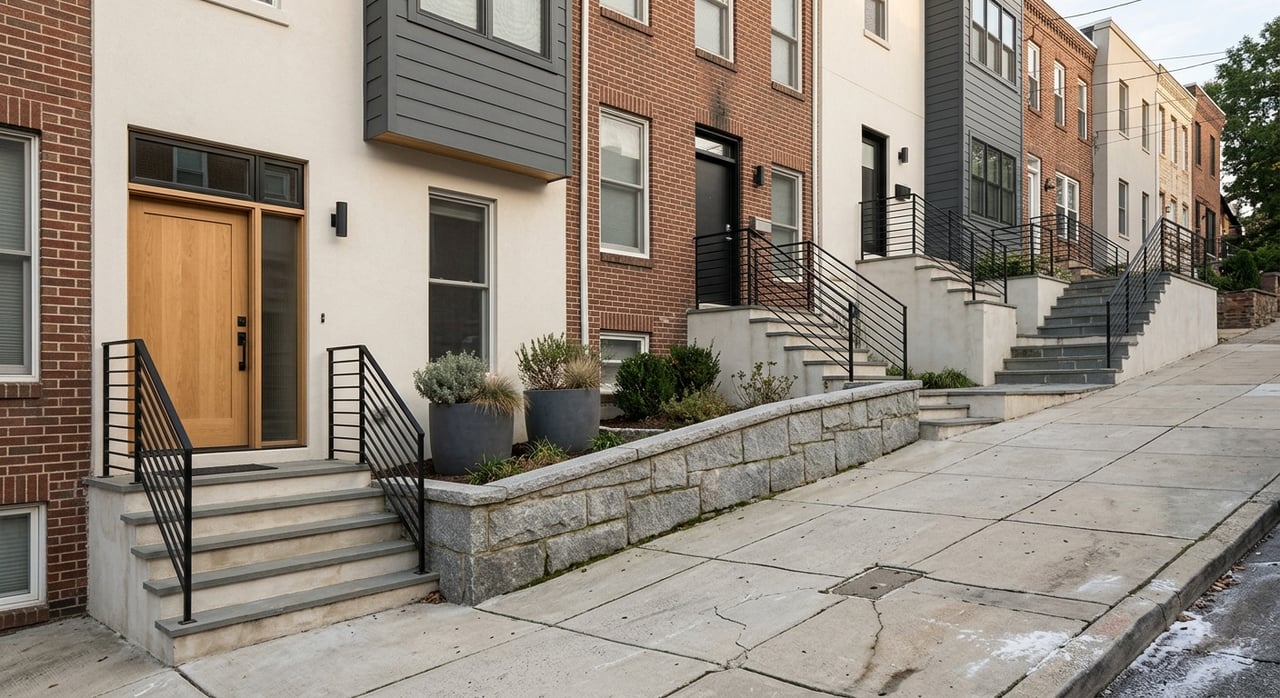
Townhome-style waterfront communities tend to feel the most house-like. They often offer private entrances, multiple levels, and more separation from neighbors.
This option can be a strong fit if you want more privacy and a more residential ownership experience. It can also come with more direct responsibility, depending on how the association is structured and what exterior elements it maintains.
One of the biggest mistakes buyers make is treating the HOA or condo fee like a simple amenity bill. In New Jersey condo communities, common expenses can include administration, maintenance, repair, and replacement of common elements.
That means the fee may support much more than a gym or pool. It can also help cover shared systems, building upkeep, cleaning, sanitation, and other association responsibilities.
Waterfront buildings often have larger shared systems and more expensive exterior components. Roof areas, façades, garage areas, windows, doors, decks, hallways, and other common elements can become major cost items over time.
If you are comparing two buildings, do not stop at the monthly number. Ask what the fee is actually funding and where owner responsibility ends and association responsibility begins.
For many Edgewater buyers, commute convenience is a top decision point. NY Waterway operates weekday commuter service from Edgewater to Midtown at West 39th Street, while downtown routes require a transfer at Port Imperial.
The borough shuttle is also designed around ferry departures, with service timed roughly 15 minutes before each departure during the morning and evening commute. NJ Transit bus service along River Road, including Route 158 and local Route 755, adds another layer of access.
Do not assume a building is commuter-friendly just because it is on the waterfront. Ask how far the property is from the shuttle stop and whether the actual timing works for your routine.
If you expect to use the ferry often, weekday schedule fit matters more than general proximity. A beautiful building that adds friction to your workday may not be the right long-term choice.
In Edgewater, parking is not a minor detail. The borough requires vehicle registration for permits, limits visitor passes, and does not allow commuter parking in borough-owned lots.
That makes building parking far more important than many buyers first realize. Assigned spaces, deeded parking, guest parking, and shuttle proximity can directly affect your quality of life.
A building with strong parking may be more valuable to you than one with a longer amenity list. In Edgewater, convenience often wins.
If you are leaning toward a townhome-style waterfront property, the legal structure matters just as much as the floor plan. Some townhouse developments are fee simple, while others may function more like condominiums or hybrids.
That distinction affects what the association maintains and what you may be responsible for yourself. For example, you should verify whether the association handles items like roofs, siding, windows, doors, hallways, or other exterior components.
A tower lifestyle and a townhome lifestyle can look similar in photos but feel very different in practice. If you prefer predictability, you need to know exactly how much building responsibility stays with the association.
The more clearly the documents define maintenance duties, the easier it is to evaluate the true cost and effort of ownership.
Waterfront buyers should separate condo diligence from flood diligence. They are not the same thing, and both matter.
FEMA’s Flood Map Service Center is the official public source for flood-hazard information. For buyers using government-backed financing, high-risk flood zones can trigger flood insurance requirements.
This is a conversation to have early in the process, not after you are emotionally committed to a unit.
If you want the easiest daily routine, a full-service building may make the most sense. If you want a quieter, more intimate setting with strong design appeal, a boutique condo may be the better fit.
If you want a more house-like lifestyle, a townhome-style community may be the right move. The key is to match the building’s service level, monthly cost, parking setup, commute access, and maintenance structure to how you actually live.
In Edgewater, the right waterfront building is rarely just about the panorama. It is about choosing a home that supports your schedule, your budget, and your preferred level of responsibility.
If you want help comparing Edgewater waterfront options with a sharper eye for layout, building structure, and long-term value, Alena Ciccarelli can help you narrow the field and arrange the right next step.
Explore my latest insights, market trends, tips, and updates on real estate.

Whether you’re buying or selling, Alena Ciccarelli delivers exceptional service, local expertise, and a client-first approach that makes your real estate journey seamless and rewarding. If you want to get the highest value for your home, contact Alena for a free consultation!
Alena Ciccarelli
1412 Washington St Hoboken, NJ, 07030